
How Long Do Veneers Last? Lifespan, Care Tips & What Affects Durability?
Article Written By Research Contributor, Medically Reviewed By Experts Of Serena Medical Center
Veneers have become one of the most popular choices in cosmetic dentistry and for good reason. They fix a whole range of problems: stubborn stains that won’t respond to whitening, chipped or cracked teeth, noticeable gaps, and even minor alignment issues that don’t quite warrant orthodontics. But here’s what nearly every patient wants to know during their consultation: how long do veneers last? It’s not just casual curiosity. We’re talking about a significant financial commitment, not to mention the irreversible nature of tooth preparation.
What we’ve learned from years of clinical research is pretty clear: when you go with top-tier ceramic materials like lithium disilicate or feldspathic porcelain, and when patients actually follow the care instructions, these restorations hold up incredibly well. But the dentist’s skill matters just as much as the material itself. How the tooth gets prepared, which adhesive system gets used, and how carefully the bite gets adjusted all of these technical details directly impact veneers durability and whether your investment lasts five years or pushes past fifteen.
This blog pulls together current research and clinical experience to give you a realistic picture of how long will veneers last, why certain materials outperform others, and what you can actively do to get the most years out of your veneers.
Material Selection and Its Impact on Veneers Durability
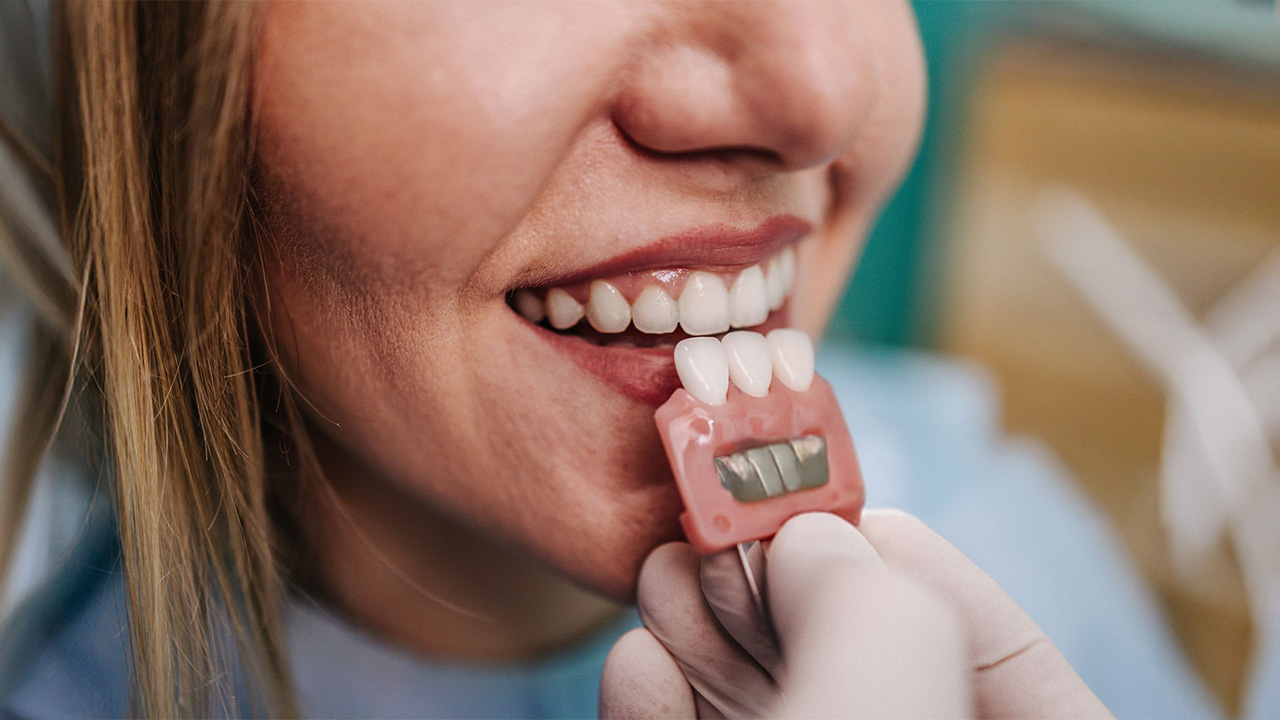
Here’s where it all starts: the material your dentist recommends will largely determine how long your veneers stay functional and attractive. Right now, you’ve got two main options, and they perform very differently over time.
Porcelain Veneers
Porcelain is still the top choice when patients want both beauty and longevity. These restorations look incredibly natural; they reflect light the same way your tooth enamel does, which is why they blend so seamlessly. Studies that have followed patients for years show that lithium disilicate veneers regularly make it to the 10–15 year mark when people brush properly and don’t subject them to extreme forces. The crystalline makeup of porcelain plays a major role in how durable are veneers made from ceramic, offering strong resistance to staining and surface wear.
But porcelain isn’t perfect. Yes, it’s hard, but that hardness comes with brittleness. If you grind your teeth at night and many people do without even realizing it or if you have a habit of chewing ice or biting your nails, you’re creating concentrated stress points. Porcelain won’t bend or flex like some materials. Instead, it chips or fractures. This is exactly why dentists often insist on nightguards for patients with bruxism. Without that protection, even the best porcelain veneers won’t reach their full veneers durability potential.
Composite Resin Veneers
Composite veneers serve a different purpose entirely. They’re more affordable, your dentist can place them in one visit, and if something needs adjusting later, it’s relatively straightforward. However—and this is important—you’re looking at a much shorter timeline when assessing how long will veneers last in resin form. Composite veneers stain very easily and can chip as composite tends to change the color over a period of time, also habits like smoking or drinking wine or colored food items stains and damage the veneer margins. Clinical research consistently puts composite veneers in the 5–7 year range before replacement becomes necessary. The resin material itself breaks down gradually when exposed to saliva, temperature swings, and normal chewing forces.
What dentists consider: The right material for you depends on your individual situation, how hard you bite, what you’re trying to achieve aesthetically, what you can afford, and, honestly, how committed you are to maintaining them properly. There’s no universal “best” option.
Clinical Indications and Patient Selection Criteria
PRP is not universally suitable. Proper evaluation includes scalp examination, trichoscopy, and sometimes blood tests to rule out nutritional or hormonal causes of hair loss. PRP is most effective for early to moderate androgenetic alopecia, diffuse thinning, and post-stress shedding once triggers are controlled. Accurate assessment ensures realistic prp hair before and after expectations.
Eligibility depends on adequate platelet levels, absence of active scalp infections, and no platelet-related disorders. Patients on blood thinners or with inflammatory scalp conditions may not be suitable candidates. Careful selection protects both treatment integrity and long-term outcomes, reinforcing the true benefits of PRP hair treatment.
Procedural and Adhesive Considerations
Even if you choose the finest porcelain available, poor technique during placement will sabotage longevity. When we talk about how long can veneers last, we’re really talking about execution quality, especially where the veneer bonds to your tooth.
Enamel Preparation
Getting this step right calls for absolute precision. For prep veneers, the dentist typically removes 0.5-1 mm of enamel, depending on the tooth and your natural anatomy. Removing more than required can weaken the tooth and lead to sensitivity, while inadequate preparation can affect the veneer’s fit and long-term stability.
In contrast, Lumineers usually require no enamel reduction and can be bonded directly to the tooth surface, but only if the teeth are naturally well aligned and the occlusion (bite) is proper. Whether minimal preparation or no preparation is chosen, this phase relies heavily on accurate assessment, advanced equipment, and sound clinical judgment rather than technique alone.
Bonding Protocol
Modern bonding involves a series of precise steps that must happen in the correct order. First, the prepared tooth surface gets etched with phosphoric acid, which creates tiny microscopic pores that dramatically increase surface area. Then a silane coupling agent goes on the inner surface of the veneer, creating a chemical link between the ceramic and resin. Finally, resin cement either light-activated or dual-curepermanently bonds the veneer to tooth structure.
When dentists follow ADA protocols exactly, clinical studies show bond failure happens in fewer than 5% of cases. But any deviation from these steps can cause problems. Moisture contamination during the bonding process is the most frequent mistake, and it absolutely destroys bond strength. That’s why many high-end practices insist on rubber dam isolation despite the inconvenience it keeps the field completely dry.
Occlusal Adjustment
After your veneers are cemented, the bite adjustment phase begins. If a veneer sits even slightly high, it takes excessive force every single time you chew. Over weeks and months, this repetitive stress creates microscopic cracks that grow and eventually cause visible fractures. Dentists use thin marking paper to find these high spots and carefully adjust them. For patients who grind heavily, this adjustment might take multiple visits to get everything functioning smoothly without excess pressure on any individual restoration.
Patient-Centered Factors Influencing Lifespan
Your dentist can do everything perfectly, but what you do at home determines whether those veneers reach their expected lifespan or fail prematurely.
Oral Hygiene Practices
The veneer material itself won’t decay, but the tooth underneath absolutely can, particularly right at the edge where the veneer meets natural tooth structure. Bacterial plaque that builds up in this junction causes cavities that compromise the entire restoration. Good cleaning means brushing twice daily with a non-abrasive fluoride toothpaste, those whitening formulas with harsh abrasives can actually scratch porcelain over time and dull its shine. Flossing technique matters more than you’d think; aggressive sawing motions can catch veneer margins and potentially pop off restorations that have weakened bonds.
Functional Habits
Human teeth evolved to chew food. They didn’t evolve to open beer bottles, tear open packaging, bite fingernails, or crack nutshells. These activities generate forces way beyond what teeth normally handle. Veneers are especially vulnerable to shear forcesthe type you create when biting down on something hard at an angle. Ice chewing, surprisingly common, breaks a lot of veneers. Nail biting creates repeated flexing that fatigues the adhesive bond until it eventually gives up.
If you grind your teeth at night, a custom nightguard isn’t optional it’s essential. These appliances spread out the forces across all your teeth instead of concentrating them on just a few. What we see clinically is that bruxism patients who wear their nightguards consistently get veneer lifespans almost identical to patients who don’t grind at all.
Dietary Considerations
Porcelain resists staining far better than natural enamel does. Composite veneers, though? That’s a different story. They gradually pick up color from red wine, coffee, tea, curry, and similar pigmented foods. The staining penetrates the resin itself, so regular cleaning won’t remove it.
Acidic foods and drinks create another set of issues. They won’t damage porcelain veneers themselves, but they can erode natural tooth structure right at the margins, creating tiny gaps where bacteria move in. If you regularly drink sodas, eat citrus fruits, or consume vinegar-heavy foods, rinse your mouth with plain water afterward. And wait at least half an hour before brushing acid-softened enamel, right away actually causes more damage.
Clinical Maintenance and Post-Operative Care
Your relationship with your dentist shouldn’t end when you walk out after the final cementation appointment. Regular professional care directly impacts how durable veneers are throughout their entire service life.
Current best practices call for checkups every six months. Your dentist examines the margins under magnification, looking for gaps, cracks, or early signs that the bond is weakening. Checking gum health is equally important. Inflamed tissues usually mean home care isn’t adequate, which eventually threatens the restoration itself. Professional polishing with specially designed non-abrasive pastes keeps the surface glossy while avoiding the micro-scratches that can start crack formation.
Contact your dentist right away if you notice anything unusual: floss catching on margins, darkening at the edges, sensitivity to hot or cold, visible chips, or a feeling that the veneer is loose. Catching problems early, often requiring just minor smoothing or rebonding prevents complete failure and replacement.
Expected Lifespan and Replacement Considerations
When you combine material science with procedural quality and patient behavior, you get realistic expectations. Well-made porcelain veneers in patients who maintain good hygiene, control bite forces, and see their dentist regularly typically last 10–15 years. Some patients report veneers still going strong after 20 years, but that’s exceptional rather than standard.
Composite veneers, given their material limitations, usually need replacement around the 5–7 year mark, even with excellent care. Plan your budget accordingly and understand these are shorter-term restorations.
Several things trigger replacement discussions: visible lines developing between veneer and tooth as margins stain, chips or cracks that affect function or appearance, gum recession that exposes the prepared tooth edge, or cavities that require removing the veneer for treatment. Current adhesive technology allows conservative replacement that preserves remaining enamel and minimizes further tooth reduction.
Conclusion
How long do veneers last? There’s no single answer because durability comes from multiple factors working together. The material establishes that the baseline porcelain clearly outlasts the composite in real-world use. How precisely your dentist prepares the tooth, bonds the veneer, and adjusts your bite determines whether that material reaches its full veneer’s durability potential. Your daily habits around oral hygiene, diet, and things like teeth grinding significantly affect outcomes. And ongoing professional care catches minor problems before they become major failures
FAQs
Can I expect to have cavities even if I use veneers for my teeth?
Definitely, the veneer itself is not going to break down, but the tooth under it can still decay. Where the veneer is placed, bacteria are always going to create plaque, so if you do not clean your teeth, cavities can form, which will need the whole veneer removal for treatment. Hence, your oral hygiene routine must be as vigorous as it was before veneer application.
Will veneers attract stains as my natural teeth do?
The staining of the veneers made of porcelain is not like that of the enamel, and, therefore, they resist staining very well. Coffee, wine, and tea do not penetrate the ceramic, even though it might not be the case with composite veneers, as they take on the color from drinking and eating close to their 5-7 year lifespan. The veneers made of porcelain will show a little staining after many years, but it is still the case that the surface of the veneer is incredibly clean.
What should I do if I get a chipped or broken veneer?
Your dentist should be contacted without delay – tiny pieces can sometimes be polished or repaired, but in most cases, the fracture is so large that it requires a complete replacement. The part that is quite annoying is that it is very likely you cannot replace only one veneer because the new one will not be an exact match to the existing veneers, even in terms of color or translucency. The reason for this is that most dentists end up replacing a group of veneers that lie next to each other so that the whole look appears consistent.
Is it necessary for me to give up some foods because of the veneers on my teeth?
Stay away from hard foods like ice, hard candies, and popcorn kernels, as they can chip the porcelain, and also be careful with sticky stuff like caramel that can pull off weakened veneers. Although the acidic foods won’t directly harm the veneers, they will still erode the tooth at the margins; thus, it is advisable to rinse with water right after consuming citrus or drinking soda. Generally, if you would not chew a certain food with natural teeth, then do not use veneers for that.