Is Laser Hair Removal Safe? Risks and What You Should Know
Article Written By Research Contributor, Medically Reviewed By Experts Of Serena Medical Center
“Is laser hair removal safe?” It’s one of the most commonly raised questions in dermatology clinics across Dubai, and for good reason. The procedure sounds deceptively simple. But skin biology is never that straightforward, especially in a region where sun exposure, diverse skin tones, and year-round heat play a role.
Patients ask variations of the same concern every week: is laser removal safe, laser hair removal is it safe, is laser treatment for hair removal safe?
Laser hair removal has been used in clinical practice for more than 25 years. It is not experimental. It is not fringe medicine. When performed correctly, with the right technology and trained medical oversight, laser hair removal is it safe and is considered a safe procedure for long-term hair reduction. Not every patient is the same, and not every laser session is equal. Safety lives in the details.
How laser hair removal actually works on the skin
Before deciding whether is laser hair removal safe, laser hair removal is it safe, it helps to understand what the laser is doing.
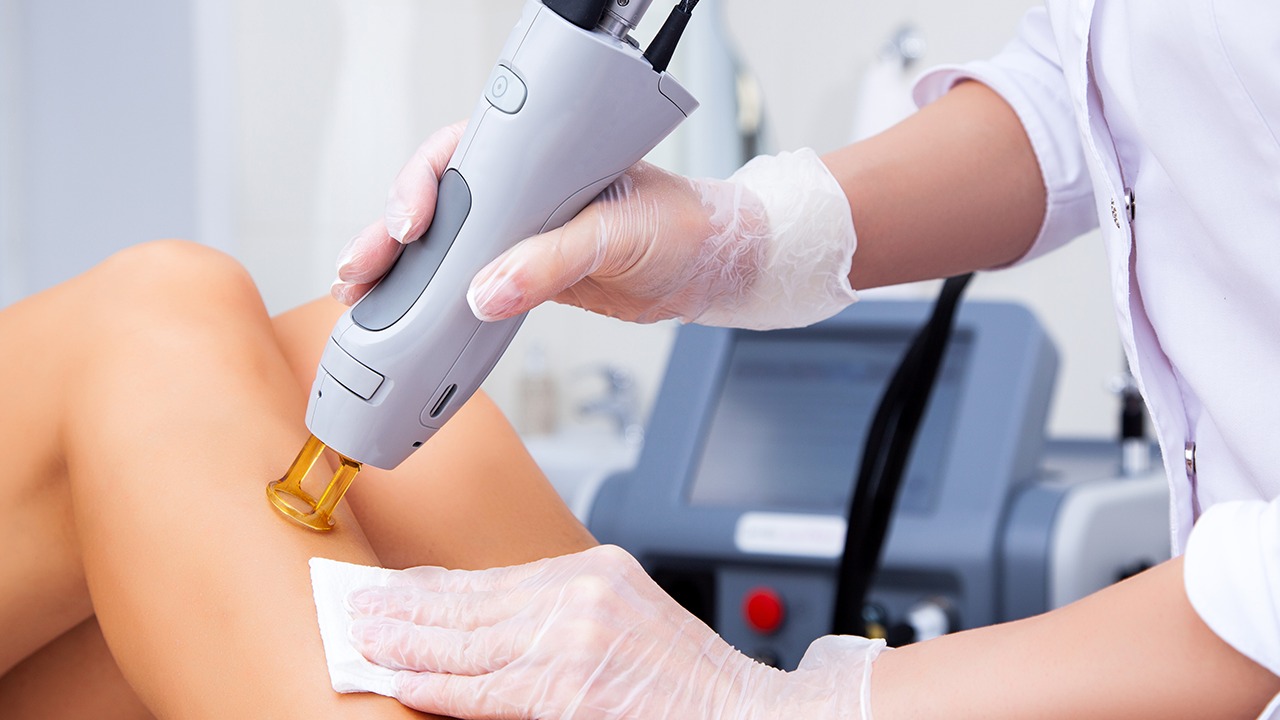
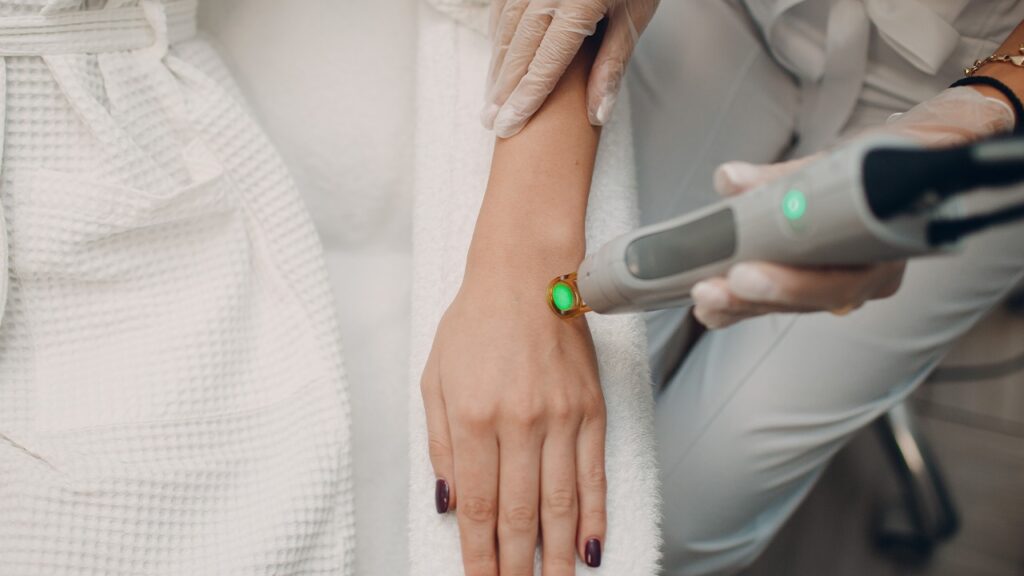
Laser hair removal relies on selective photothermolysis. In plain language, the laser emits a focused wavelength of light that is absorbed by melanin (pigment) in the hair shaft. That energy converts to heat. The heat damages the hair follicle enough to slow or stop future growth, while sparing surrounding skin.
Hair grows in cycles. Only follicles in the active growth phase (anagen) respond to treatment. This is why sessions are spaced 4 to 8 weeks apart and why no reputable clinic promises permanent hair removal in one visit. Reduction, not erasure.
Is laser hair removal is it safe for all skin types?
Laser hair removal carried higher risks for darker skin tones due to competing melanin in the epidermis. Burns, blistering, and post-inflammatory hyperpigmentation were more common two decades ago. Technology has changed.
Modern devices, particularly long-pulsed Nd: YAG lasers (1064 nm), are specifically designed for skin types IV to VI, which are common among Middle Eastern, South Asian, and African populations in the UAE.
So, is laser hair treatment safe for darker skin? Is laser hair treatment safe when the correct laser is used?
Yes, when the correct laser is used and parameters are adjusted conservatively.
In Dubai, where many patients tan year-round without realizing it, skin tone assessment must happen at every session. Yesterday’s settings may not be appropriate today. That step is sometimes skipped in high-volume aesthetic chains.
Short-term risks you should realistically expect
No medical procedure is entirely risk-free. Laser hair removal included. That doesn’t make it unsafe; it makes it medical.
Most side effects are mild and temporary:
- Redness and perifollicular swelling within the first 24 hours
- A warm or sunburn-like sensation lasting a few hours
- Mild tenderness in sensitive areas
These responses indicate that the follicle absorbed heat. They are expected. Ice packs and fragrance-free emollients usually suffice.
Less common, but documented risks include blistering, superficial burns, and changes in skin pigmentation. In a large multicenter review published in Lasers in Surgery and Medicine, complication rates remained below 1% when treatments were performed by trained professionals using appropriate settings. That number rises sharply with unregulated devices and inexperienced operators.
So when patients ask, is laser removal safe, is laser removal safe in real-world practice, the honest response is: it depends on who is holding the handpiece.
Long-term safety: what the evidence actually says
There is persistent anxiety around cancer risk. It surfaces in almost every consultation.
To be precise, there is no credible evidence linking laser hair removal to skin cancer. The wavelengths used are non-ionizing. They do not damage DNA. They do not penetrate beyond the dermis.
Multiple long-term observational studies, including follow-ups extending beyond 10 years, have not demonstrated increased malignancy risk. This is consistent with how dermatologic lasers are used therapeutically to treat vascular lesions, pigmentation disorders, and even precancerous changes.
Situations where extra caution is required
Now the counterpoint. Because blanket reassurance helps no one. Laser hair treatment may not be appropriate or may need postponement in certain scenarios:
- Active skin infections, including folliculitis or herpes simplex in the treatment area
- Pregnancy (not due to proven harm, but due to lack of safety data and hormonal unpredictability)
- Recent isotretinoin use, depending on dose and duration
- History of keloid scarring
Photosensitizing medications matter too. Some antibiotics, retinoids, and herbal supplements can lower the skin’s heat tolerance. Patients rarely volunteer this unless asked directly. This is why a proper medical intake is not a formality. It’s a safety tool.
Dubai-specific factors patients rarely consider
In the UAE, year-round sun exposure increases baseline melanin activity. Even patients who “don’t tan” often doubt. Treating sun-exposed skin increases burn risk. This is why reputable clinics in Dubai insist on avoiding sun exposure for at least 2 weeks before and after treatment.
Cultural grooming practices also matter. Threading, waxing, and epilation remove the hair root, rendering laser ineffective. Shaving is allowed. Required, actually.
Is laser hair removal safe compared to other methods?

A fair question. Waxing causes repeated micro-trauma. Razors cause cuts and folliculitis. Depilatory creams can trigger chemical burns, especially in sensitive areas.
Laser hair removal, when spaced appropriately, reduces cumulative skin trauma over time. Several dermatology audits have shown lower rates of chronic folliculitis and post-inflammatory pigmentation in patients who transitioned from waxing to laser protocols.
So when someone asks, is laser treatment for hair removal safe long-term, the comparative answer is often safer than the alternatives they’ve been tolerating for years.
Practical guidance that actually improves safety
This is where patients have more control than they realize. Avoid retinoids and exfoliants for at least 5 days before treatment. Hydrated skin tolerates heat better. Arrive shaved, not waxed. Disclose medications, even supplements. Ask which laser platform is being used and why. If your provider cannot explain their choice of wavelength in simple terms, pause.
At Serena Medical Center, consultations are structured to assess skin type at every visit, not just the first one. Treatment parameters are adjusted dynamically. This is not a cosmetic indulgence. It’s risk management.
Internal service pages that may be relevant for patients considering treatment:
- Laser Hair Reduction Services
- Dermatology & Skin Health Clinic
- Women’s Hormonal Health & PCOS Evaluation
So, is laser hair removal safe?
For most patients, yes. Repeatedly shown to be safe. It is predictable and effective.
If you’re considering treatment and still wondering whether laser hair removal is safe for you, a personalized consultation matters more than any blog article ever will.
Frequently Asked Questions
Is laser hair removal safe for sensitive areas like the face or bikini line?
Yes, when appropriate settings and cooling systems are used. These areas often require lower energy levels and experienced operators.
Can laser hair removal cause permanent skin damage?
Permanent complications are rare. Most reported cases involve incorrect laser choice or poor aftercare. Proper medical supervision reduces this risk significantly.
Is laser hair treatment safe during pregnancy?
There is no evidence of harm, but due to limited research, most clinicians recommend postponing treatment until after delivery.