
Understanding Hydrafacial Treatment
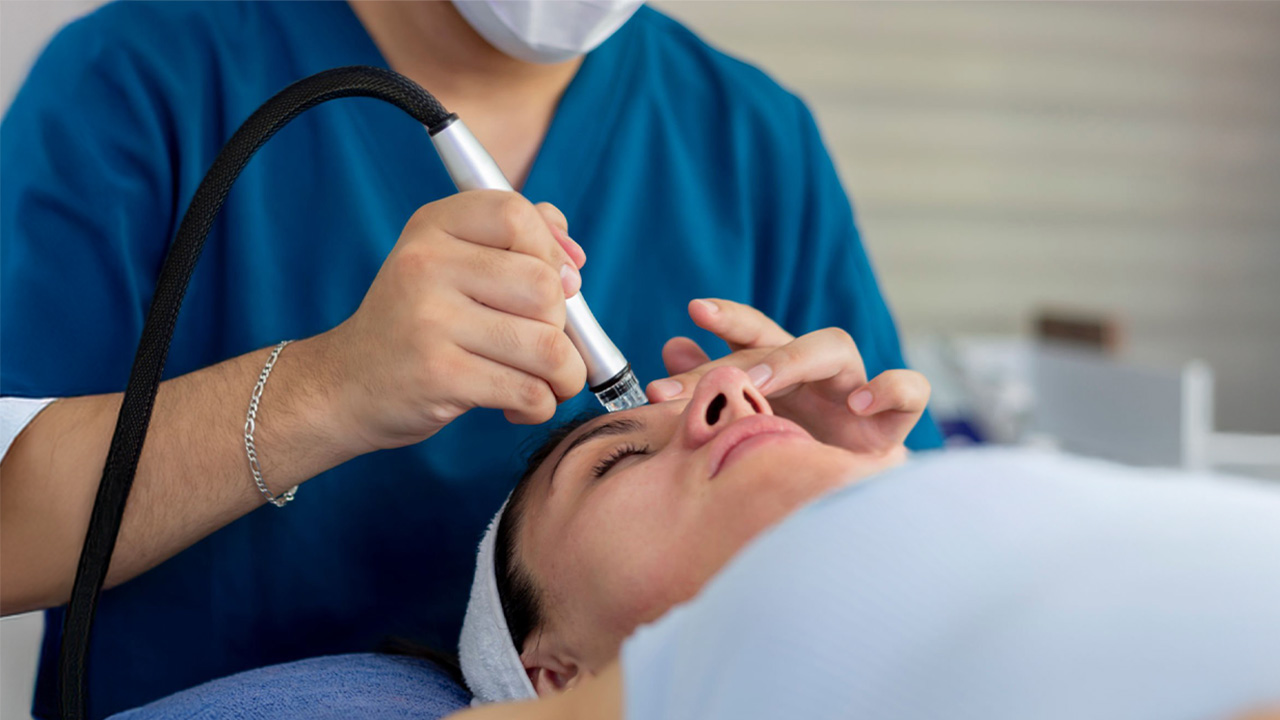
Article Written By Research Contributor, Medically Reviewed By Experts Of Serena Medical Center
The Hydrafacial treatment procedure brings together dermatological science and advanced technology to cleanse, exfoliate, extract, and hydrate the skin in a single, seamless session without needles, downtime, or visible irritation. The quality of the experience and the difference seen in Hydrafacial before and after results rely greatly on how the skin is prepped, the precision with which each step of the Hydrafacial is carried out, and the aftercare followed, especially in a hot, high-UV environment like the UAE.
Why Hydrafacial Remains Popular in Dubai Clinics?
Dubai’s climate affects the skin consistently. UV levels often exceed safe limits. Indoor air conditioning causes dryness, while outdoor pollution clogs pores. Over time, pores become more visible, oil production increases, and dehydration worsens oiliness. These issues are frequently noted in hydrafacial before and after pores comparisons.
Many patients bring hydrafacial before and after images from social media. Some images reflect realistic results, while others are edited. Setting expectations is important. Hydrafacial improves skin texture, hydration, and pore appearance, but it does not change skin genetics.
Stronger treatments like chemical peels can resurface the skin more deeply, but they require downtime and carry a higher risk of pigmentation, especially for darker skin tones common in the Middle East.
Hydrafacial Pre-Care: What to Do (and Avoid) Before Your Session
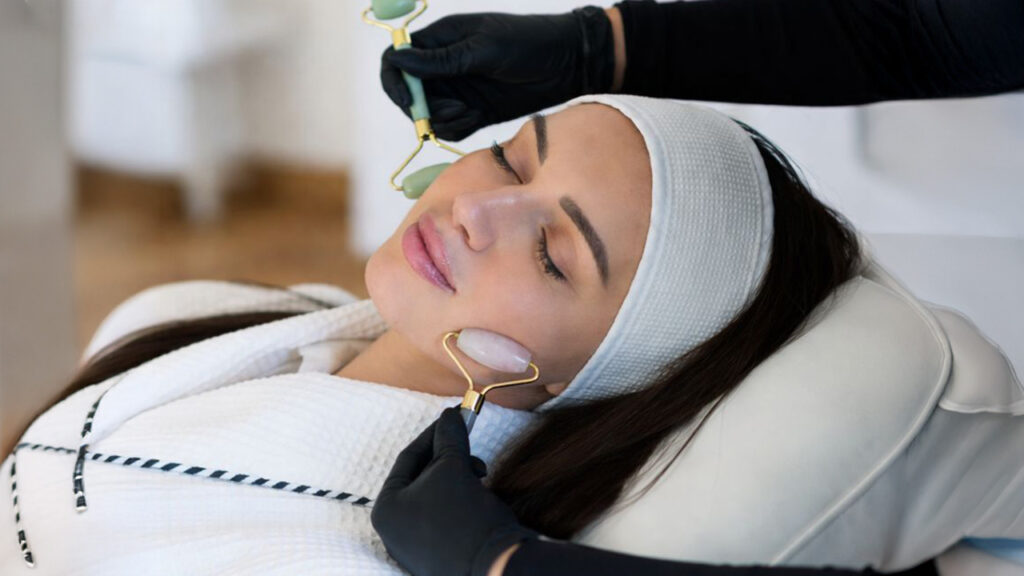
Pre-care plays an important role in the hydrafacial treatment procedure. Retinoids such as tretinoin or adapalene should be stopped at least seven days before treatment to reduce irritation. Patients using isotretinoin require individual evaluation by a dermatologist.
Avoid scrubs, home peels, and cleansing brushes for five days before the session. The skin should be calm and intact.
On the day of treatment, arrive with clean skin. Heavy makeup can interfere with proper assessment before starting the steps of hydrafacial. Men should shave at least 12 hours before avoid irritation.
Hydration also matters. Drinking enough water supports overall skin health, while Hydrafacial serums hydrate the skin externally.
Understanding the Hydrafacial Steps (What Actually Happens)
The hydrafacial steps, also referred to as the steps of hydrafacial, follow a standard sequence. However, suction strength, serum choice, and number of passes vary based on skin type. This customization is a key part of the hydrafacial treatment procedure.
Cleansing and Controlled Exfoliation
The first step uses a spiral-tip device with mild glycolic and lactic acids. This loosens dead skin cells and softens oil buildup. Tingling is normal. Burning is not expected. This step prepares the skin for extraction and improves early hydrafacial before and after results.
Acid Peel Without Downtime
A low-strength salicylic and glycolic acid solution is applied. It helps open clogged pores and reduce congestion. The acids are buffered and quickly neutralized in later hydrafacial steps, making them suitable for most skin types.
Painless Extraction (The Part Everyone Talks About)
This is a key part of the hydrafacial treatment procedure. Vacuum suction removes debris from pores while hydrating the skin at the same time. There is no manual squeezing. Redness is minimal. Most visible hydrafacial before and after pores improvement occurs during this stage, which is often highlighted in hydrafacial before after comparisons.
Serum Infusion and Barrier Repair
The final step delivers hydrating and antioxidant-rich serums, including hyaluronic acid and peptides. This helps repair the skin barrier. In hot climates like Dubai, this step is essential to support recovery and maintain hydrafacial before and after results.
Hydrafacial Before and After: What Changes and What Doesn’t
Immediately after treatment, skin looks brighter and feels smoother. Pores appear cleaner and less noticeable. These changes are commonly seen in hydrafacial before and after results.
Hydration continues to improve over the next 48–72 hours. Studies show hydration can last up to a week after one session. Long-term improvement, including hydrafacial before and after pores refinement, requires regular treatments. Pores do not permanently shrink, but oil production can be better controlled with maintenance sessions.
Hydrafacial can mildly improve pigmentation and texture. It works well for comedonal acne. It does not treat melasma or replace injectables, lasers, or medical acne treatments.
Also Read: How Does HydraFacial Treatment Work?
Aftercare in Dubai’s Climate: What Makes the Difference
Aftercare directly affects how long hydrafacial before and after results last. For 24 hours, avoid heat exposure, including sun, steam rooms, and intense workouts. Excessive sweating can increase water loss from the skin.
Use broad-spectrum SPF 50+ sunscreen and reapply regularly outdoors. Mineral sunscreens are often better tolerated immediately after treatment. Avoid retinoids, AHAs, and BHAs for at least three days. For UAE residents, using a humidifier at night helps counteract air-conditioning-related dryness and supports hydrafacial before and after pores improvement.
Who Should Pause Before Booking a Hydrafacial?
Hydrafacial may not be suitable during active rosacea or eczema flare-ups. Controlled rosacea is usually not an issue. During pregnancy, Hydrafacial can be done, but hydrafacial steps involving salicylic acid are typically skipped. This should always be discussed before treatment.
If combined with laser treatments, Hydrafacial should be scheduled 10–14 days apart. Treatment planning should be guided by a dermatologist.
Cost, Frequency, and UAE Insurance Considerations
Hydrafacial sessions in Dubai typically cost between AED 399 and AED 1,200, depending on boosters. It is considered an aesthetic treatment and is not covered by insurance. For the best hydrafacial before and after and hydrafacial before and after pores results, monthly sessions for the first three months are recommended, followed by maintenance every 6–8 weeks.
Internal Care Pathways at Serena Medical Center
Patients often combine Hydrafacial with other services for better outcomes. Relevant internal care options include:
- Medical Dermatology Consultations – for acne, pigmentation, and rosacea assessment
- Laser Skin Rejuvenation Treatments – when texture or pigmentation needs deeper correction
- Medical-Grade Chemical Peels – for patients needing more aggressive resurfacing
Ready to Book?
If you’re considering Hydrafacial treatment in Dubai, a personalized skin assessment matters more than the machine itself. Book a consultation at Serena Medical Center to determine whether Hydrafacial or other that fits your skin goals and lifestyle.
FAQs
How soon can I see hydrafacial before and after results?
Most patients notice visible improvement immediately, with optimal hydration and texture changes developing over 48–72 hours.
Is Hydrafacial safe for darker skin tones common in the Middle East?
Yes, when performed correctly. It carries a low risk of post-inflammatory hyperpigmentation compared to aggressive peels.
Can I do Hydrafacial before an event in Dubai’s summer months?
Yes, ideally 3–5 days before. This allows redness to settle and hydration to peak while minimizing heat-related irritation.