
PRP Hair Treatment Benefits: Why It Is Popular for Hair Loss?
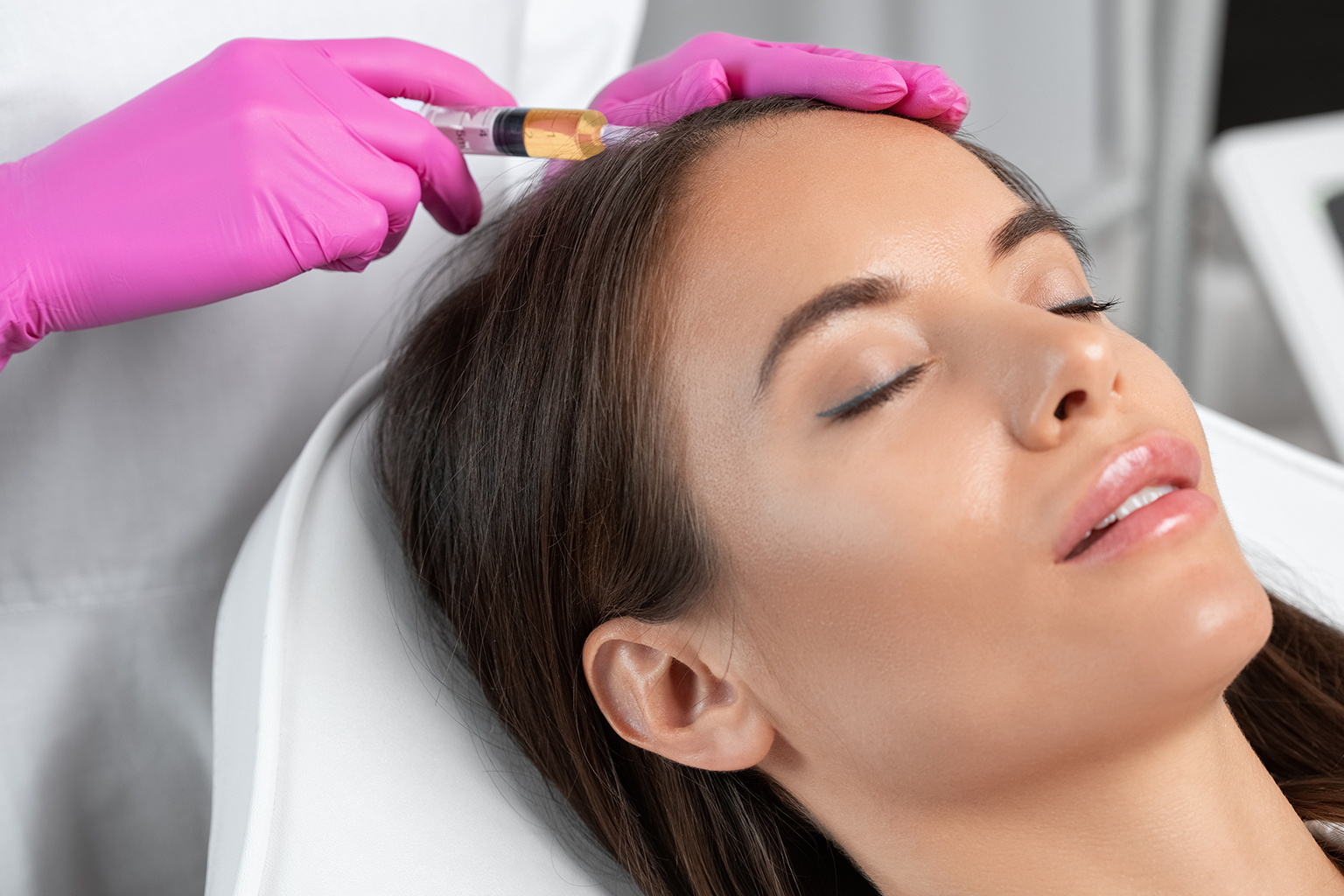
Article Written By Research Contributor, Medically Reviewed By Experts Of Serena Medical Center
Losing hair affects more than physical appearance. It often impacts confidence, self-image, and social behaviour. Over the past decade, medical approaches to hair loss have shifted from purely surgical or pharmaceutical solutions toward regenerative therapies that work with the body’s repair systems. One such advancement is Platelet-Rich Plasma therapy. Understanding what is PRP hair treatment – from a clinical perspective explains why it has become a structured part of modern hair loss management. At Serena Medical Center, PRP has evolved from an emerging therapy into a medically supported option grounded in regenerative science.
PRP works by using components derived from the patient’s own blood to stimulate dormant hair follicles. Blood circulation to the scalp improves, and follicles remain in the active growth phase for longer durations. Clinical studies and observed prp hair before and after outcomes show measurable improvements in density and hair quality, particularly in patients with thinning or pattern-related hair loss. These documented results highlight the long-term benefits of PRP hair treatment when administered under medical supervision.
This blog explains the science behind PRP, outlines suitable patient profiles, details the procedure, and sets clear expectations around what is PRP hair treatment and achievable outcomes under proper clinical care.
What Is PRP Hair Treatment and How Does It Work?
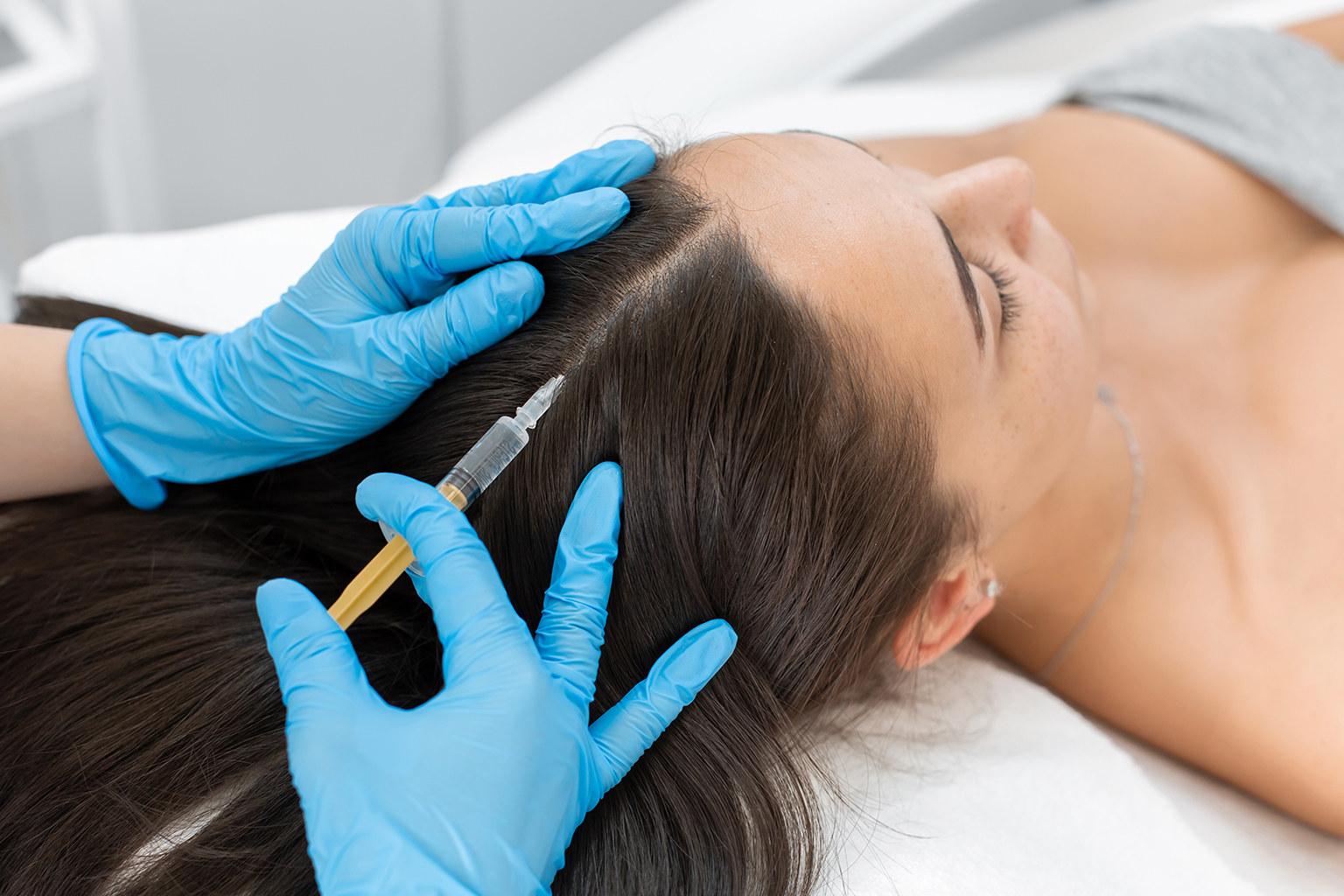
PRP begins with a routine blood draw. The sample is processed in a centrifuge to separate and concentrate platelets at levels higher than normal circulation. These platelets contain biologically active growth factors such as platelet-derived growth factor, vascular endothelial growth factor, and transforming growth factor-beta. Understanding what is PRP hair treatment requires recognising the role these molecules play in tissue repair and follicular stimulation.
The concentrated platelets are injected into the scalp at a depth that targets the follicular unit. Growth factors activate follicle base cells, improve stem cell function, and encourage new blood vessel formation. Over time, this biological stimulation addresses the mechanisms behind hair thinning rather than providing a cosmetic cover-up. Observed prp hair before and after data support improved follicular activity and sustained growth cycles.
Treatment typically involves multiple sessions scheduled according to hair growth phases. Since PRP uses autologous blood components, the immune system recognises the material, reducing rejection risk. This biological compatibility is one of the established benefits of PRP hair treatment, particularly for patients seeking non-invasive medical options.
Clinical Indications and Patient Selection Criteria
PRP is not universally suitable. Proper evaluation includes scalp examination, trichoscopy, and sometimes blood tests to rule out nutritional or hormonal causes of hair loss. PRP is most effective for early to moderate androgenetic alopecia, diffuse thinning, and post-stress shedding once triggers are controlled. Accurate assessment ensures realistic prp hair before and after expectations.
Eligibility depends on adequate platelet levels, absence of active scalp infections, and no platelet-related disorders. Patients on blood thinners or with inflammatory scalp conditions may not be suitable candidates. Careful selection protects both treatment integrity and long-term outcomes, reinforcing the true benefits of PRP hair treatment.
Biological and Therapeutic Benefits of PRP Hair Treatment
PRP acts at a cellular level by reducing inflammatory signals that contribute to follicular miniaturisation. It enhances microcirculation, ensuring improved oxygen and nutrient delivery to follicles. These processes result in thicker hair shafts, stronger texture, and more consistent growth patterns. These are core benefits of PRP hair treatment supported by measurable clinical markers.
PRP integrates safely with topical and oral hair loss therapies, as it does not interfere pharmacologically. Patients commonly report reduced shedding followed by gradual density improvement. Standardised imaging and follicular measurements allow objective comparison of prp hair before and after results rather than relying on visual perception alone.
PRP Hair Before and After: Interpreting Clinical Outcomes
Evaluating prp hair before and after outcomes requires an understanding of hair growth cycles. Results develop gradually across months. Temporary shedding may occur early as follicles reset into synchronised growth phases, indicating biological response rather than treatment failure.
At Serena Medical Center, outcomes are measured using consistent lighting, scalp mapping, shaft diameter analysis, and follicular unit counts. Most patients begin noticing visible improvement between four and six months, with continued progress up to twelve months. Clear timelines help align expectations with the biological reality of what is PRP hair treatment.
Safety Profile, Procedure Protocols, and Post-Treatment Care
PRP procedures follow strict sterile protocols during blood collection, processing, and injection. Local anaesthesia or topical numbing agents are used to manage discomfort. Side effects are generally limited to mild redness, swelling, or temporary tenderness at injection sites.
Because PRP uses the patient’s own blood, allergic reactions and systemic complications are rare. Post-treatment care includes avoiding excessive heat, aggressive scalp manipulation, and anti-inflammatory medications for a short period. These steps preserve platelet activity and support the full benefits of PRP hair treatment.
Why PRP Has Gained Clinical Acceptance in Hair Loss Management?
PRP aligns with modern medical priorities: minimally invasive procedures, biological compatibility, and personalised treatment planning. It treats hair loss as a medical condition influenced by genetics, hormones, and vascular health rather than a purely cosmetic issue. Understanding what is PRP hair treatment explains why it has gained long-term clinical relevance.
PRP is effective for both men and women and across varying hair loss patterns. Within a structured diagnostic framework, it offers measurable outcomes and adaptability. This consistency reinforces its acceptance as a legitimate medical therapy supported by observable prp hair before and after data.
Conclusion: Clinical Value of PRP in Modern Hair Restoration
PRP continues to remain relevant because, when applied correctly, it delivers clinically validated benefits of PRP hair treatment. By using autologous growth factors to enhance follicular health and slow hair loss progression, it provides a biologically sound treatment pathway. Understanding what is PRP hair treatment from a medical standpoint enables informed decision-making based on documented outcomes.
For suitable candidates, PRP occupies a critical space between medication and surgical intervention. When administered under expert supervision with transparent monitoring, prp hair before and after results demonstrate how regenerative medicine is shaping modern dermatological care through measurable, gradual, and biologically grounded improvement.
FAQs
When do you see the first results of PRP hair treatment?
Usually, reduced hair loss observations start by the patients in only 2 to 3 months. Meanwhile, the early signs of hair density and thickness become visible for a period of 4-6 months, and after 12 months, the best results are expected if the maintenance schedule is properly followed.
Is it painful to get the PRP hair treatment done?
Dermatologist injections are involved in the procedure, and most patients find that it is tolerable. We can utilize local injections or topical numbing agents to minimize the discomfort. Any mild soreness or tenderness usually goes away after 1-2 days.
How many PRP sessions do I need for hair loss?
The primary treatment consists usually of 3 to 4 sessions set 4 to 6 weeks apart. Afterwards, the maintenance treatment every 4 to 6 months is needed to keep the results. The exact procedure is individualized according to response and the degree of hair loss.
Can PRP be used together with other hair loss treatments?
Yes, PRP is very compatible with treatments like oral medications, topical minoxidil, or even after hair transplant surgery, etc. There is no interaction because PRP is made from your own blood components. A lot of times, patients get better results with combined therapy.